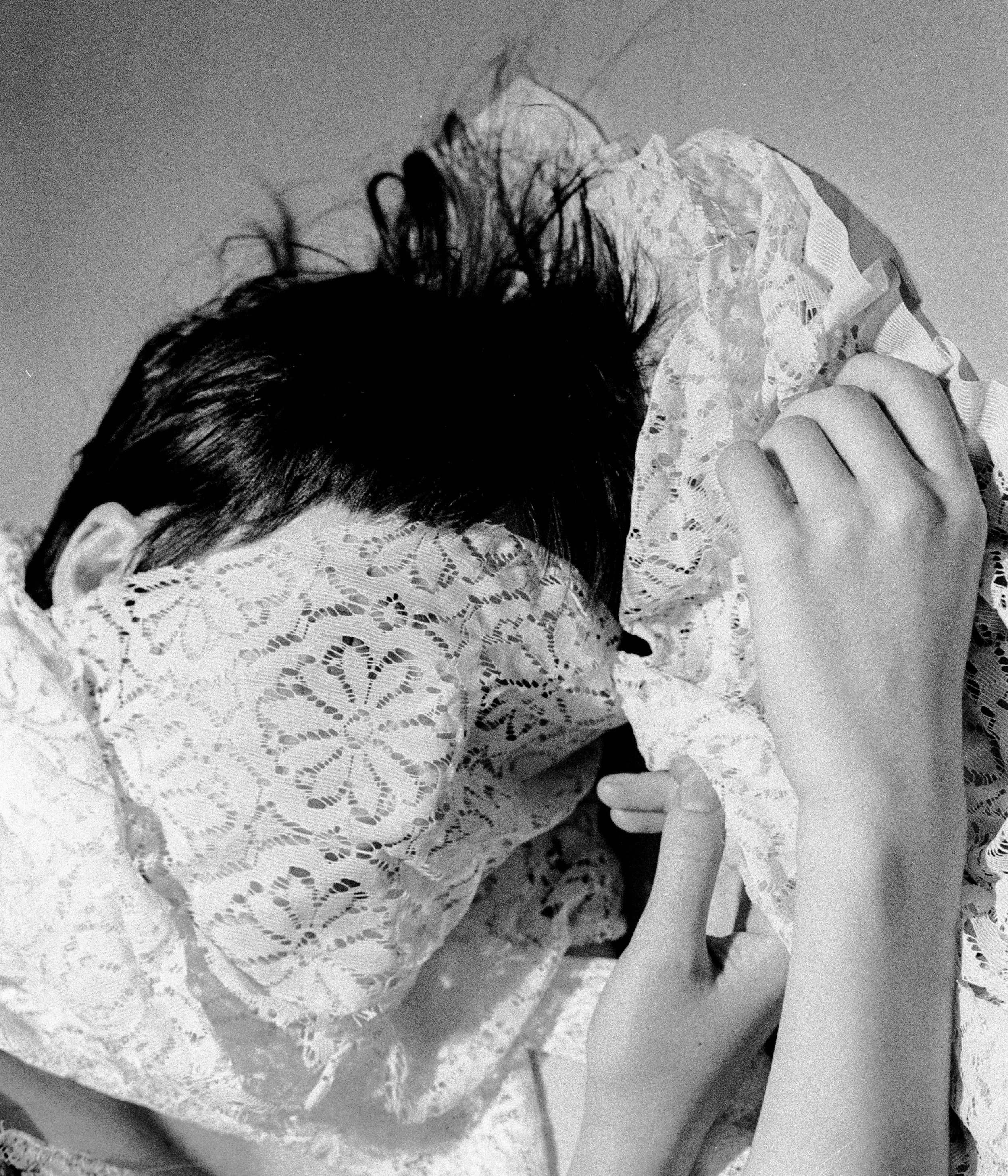
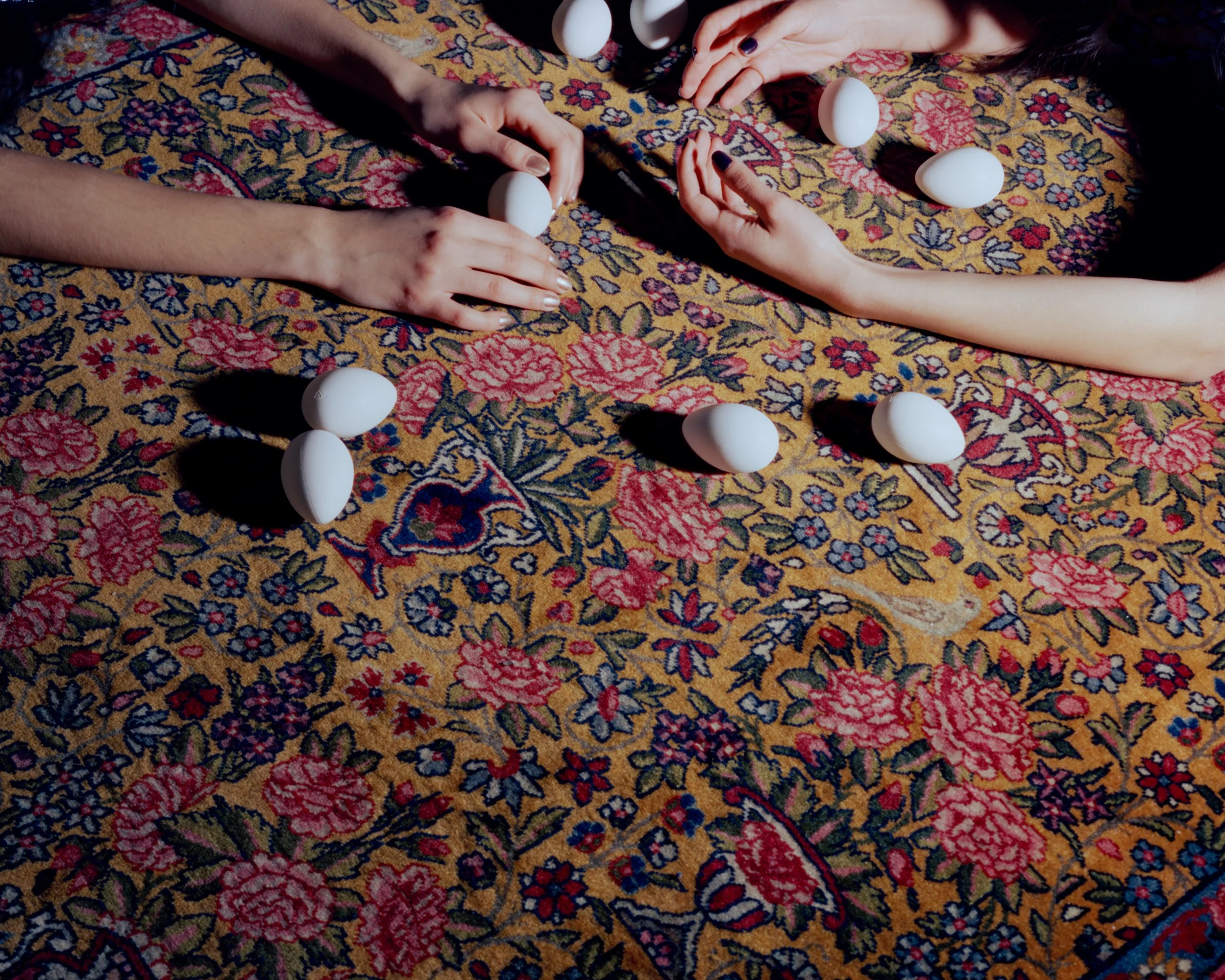
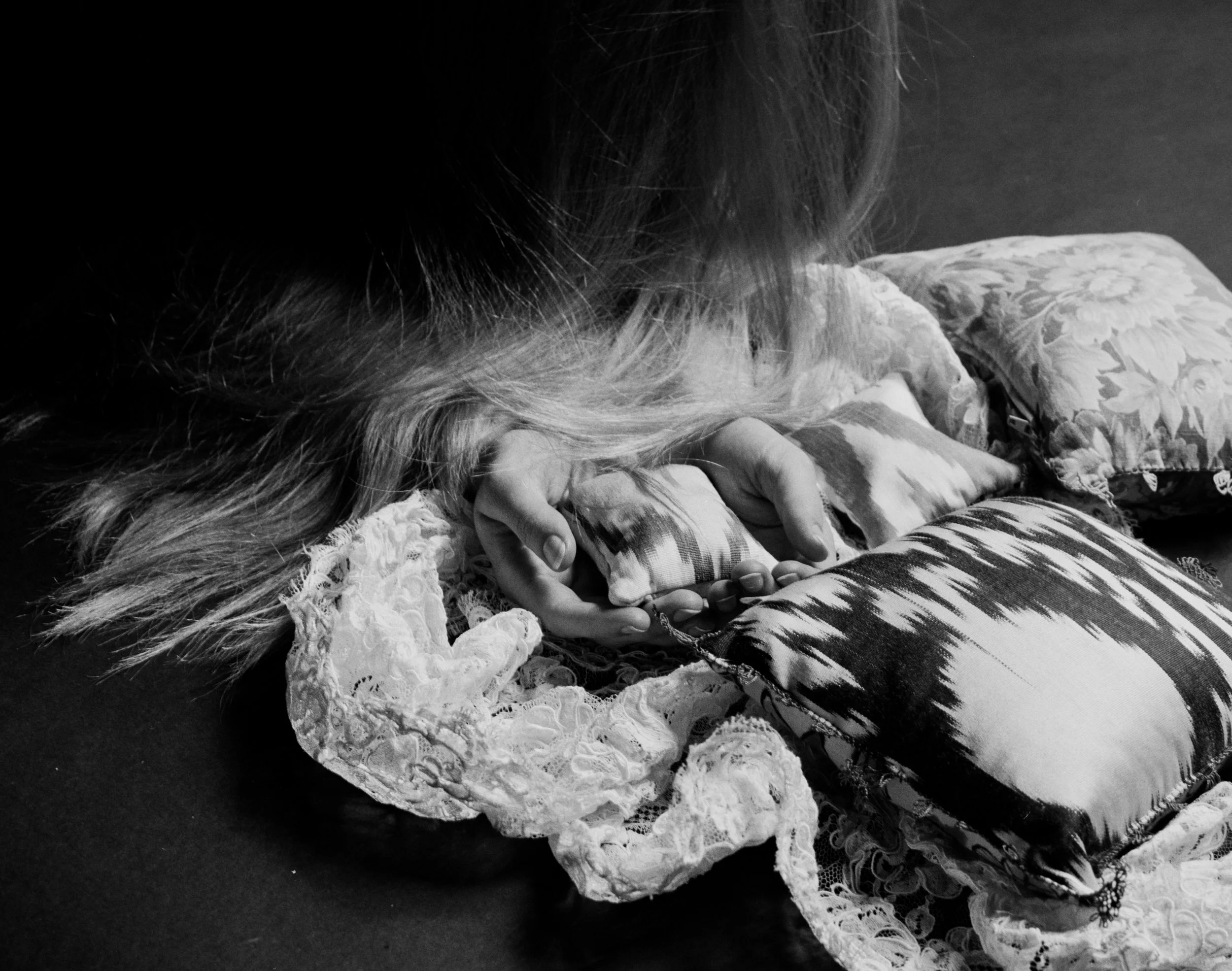
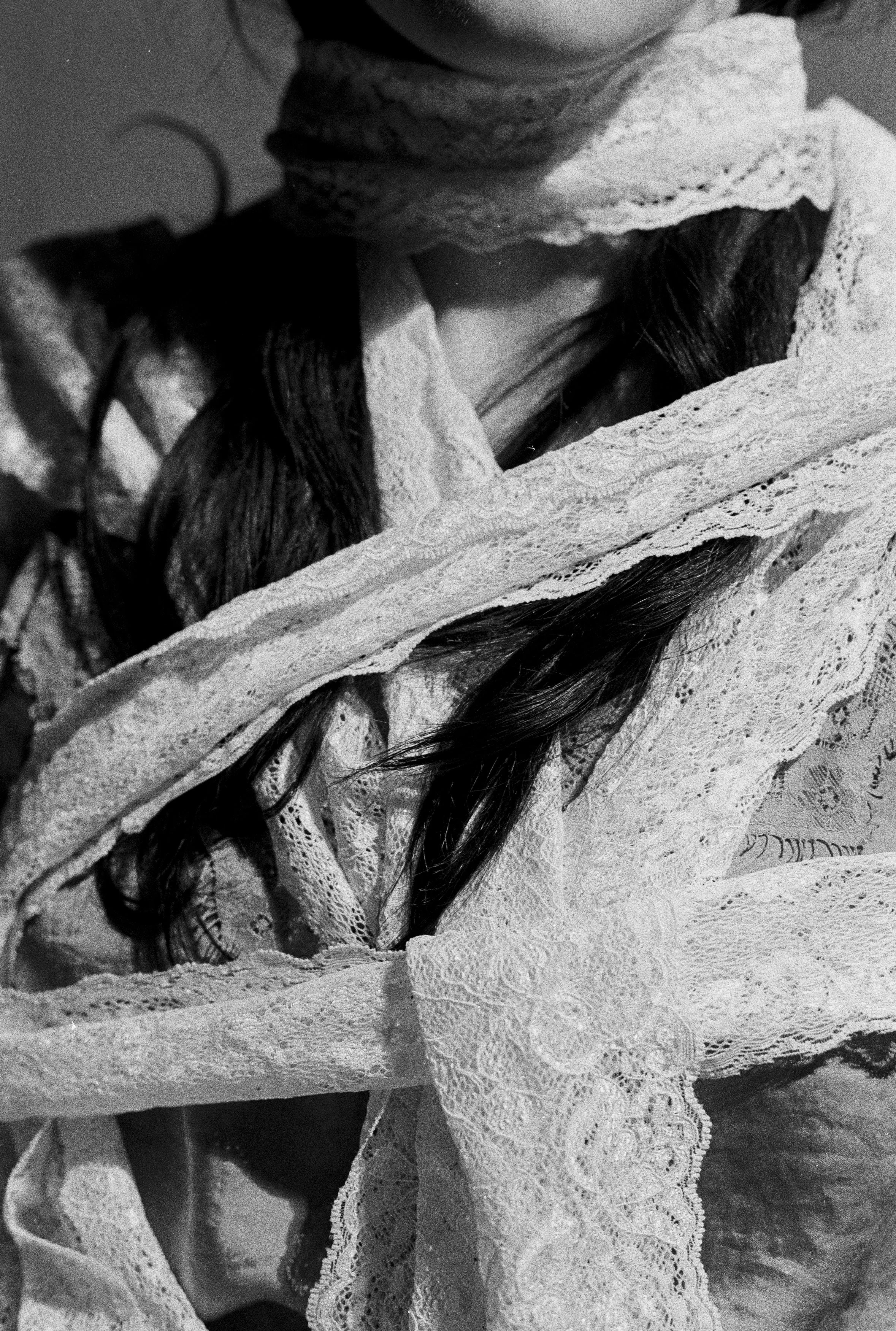
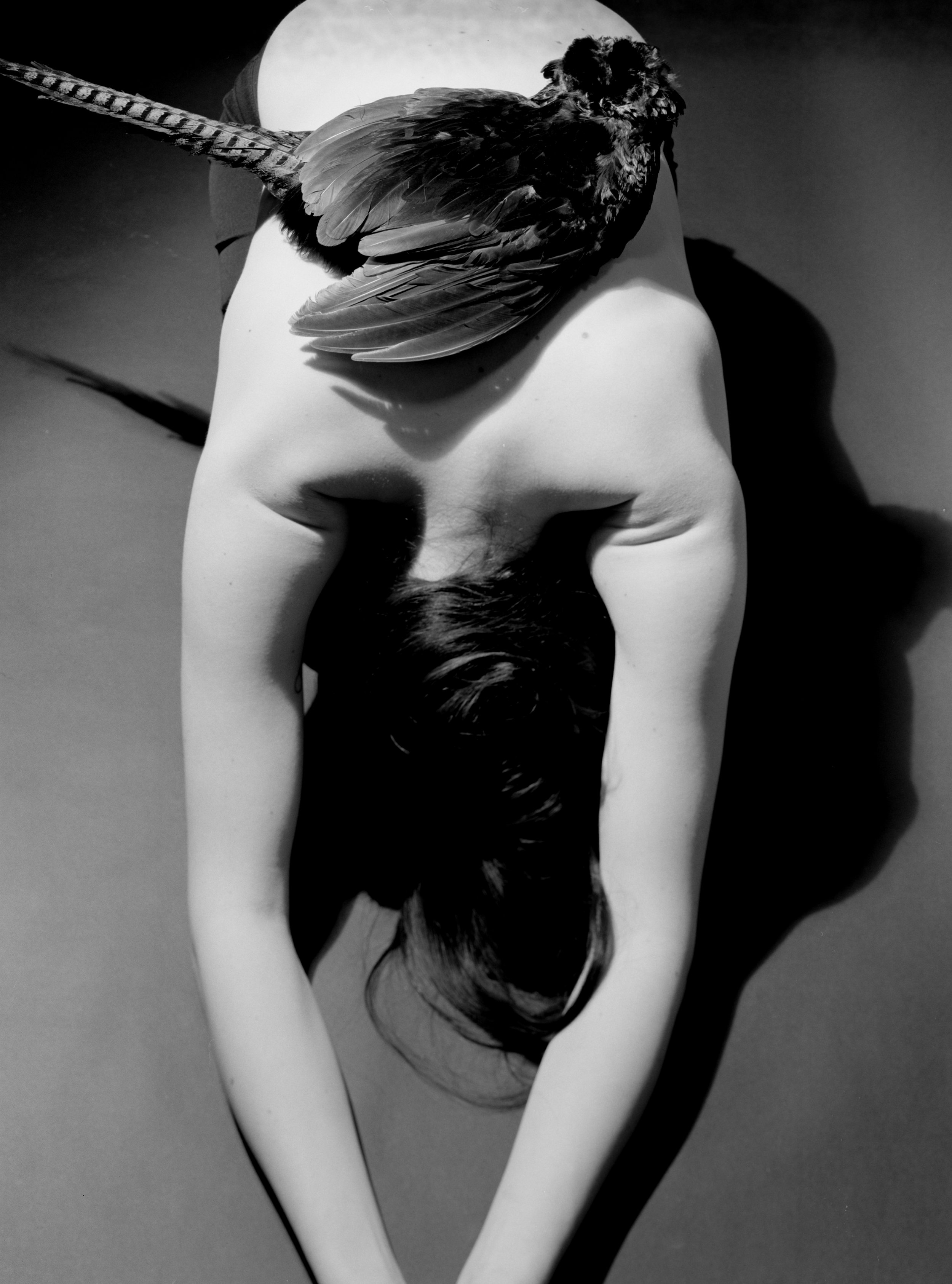
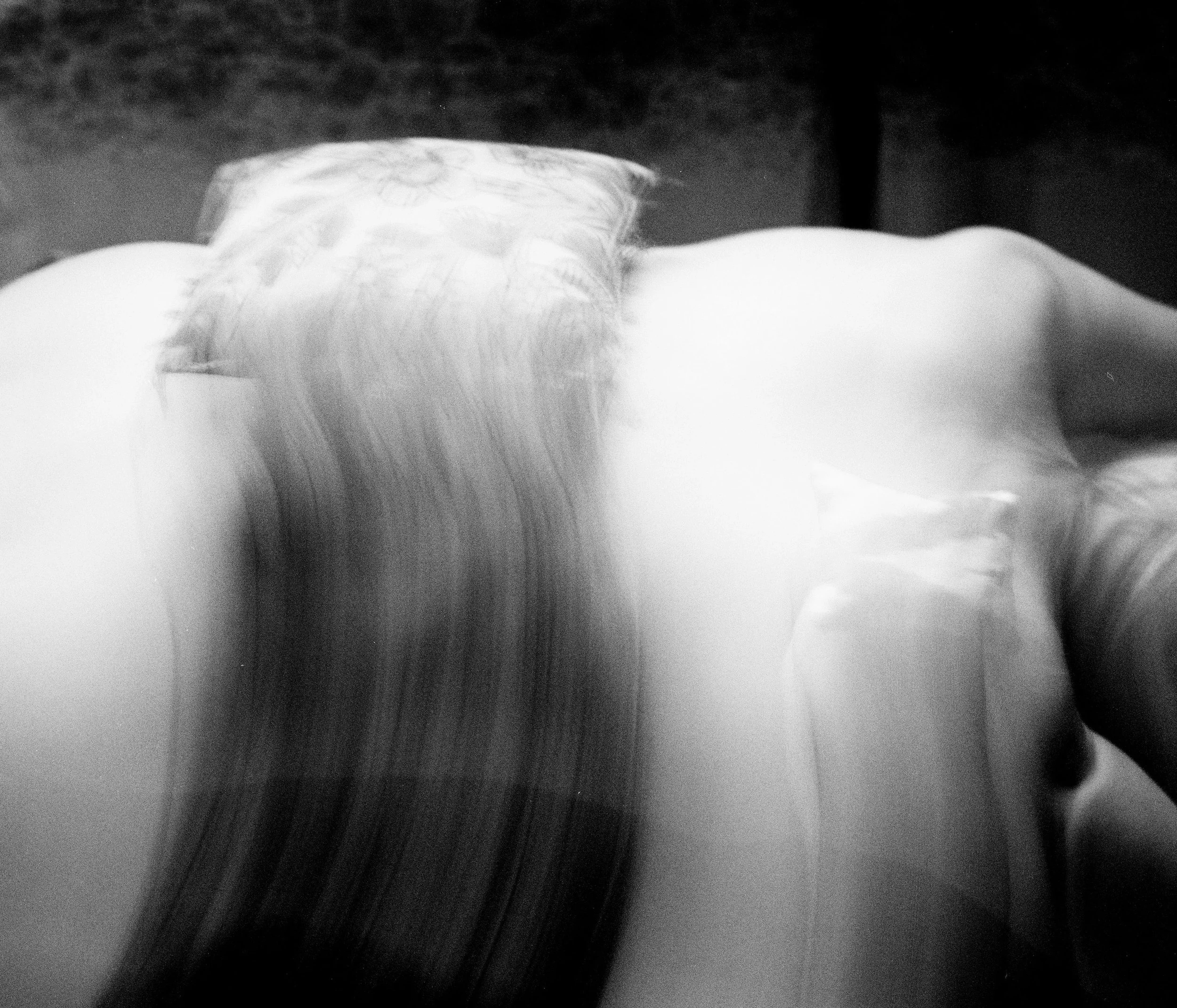
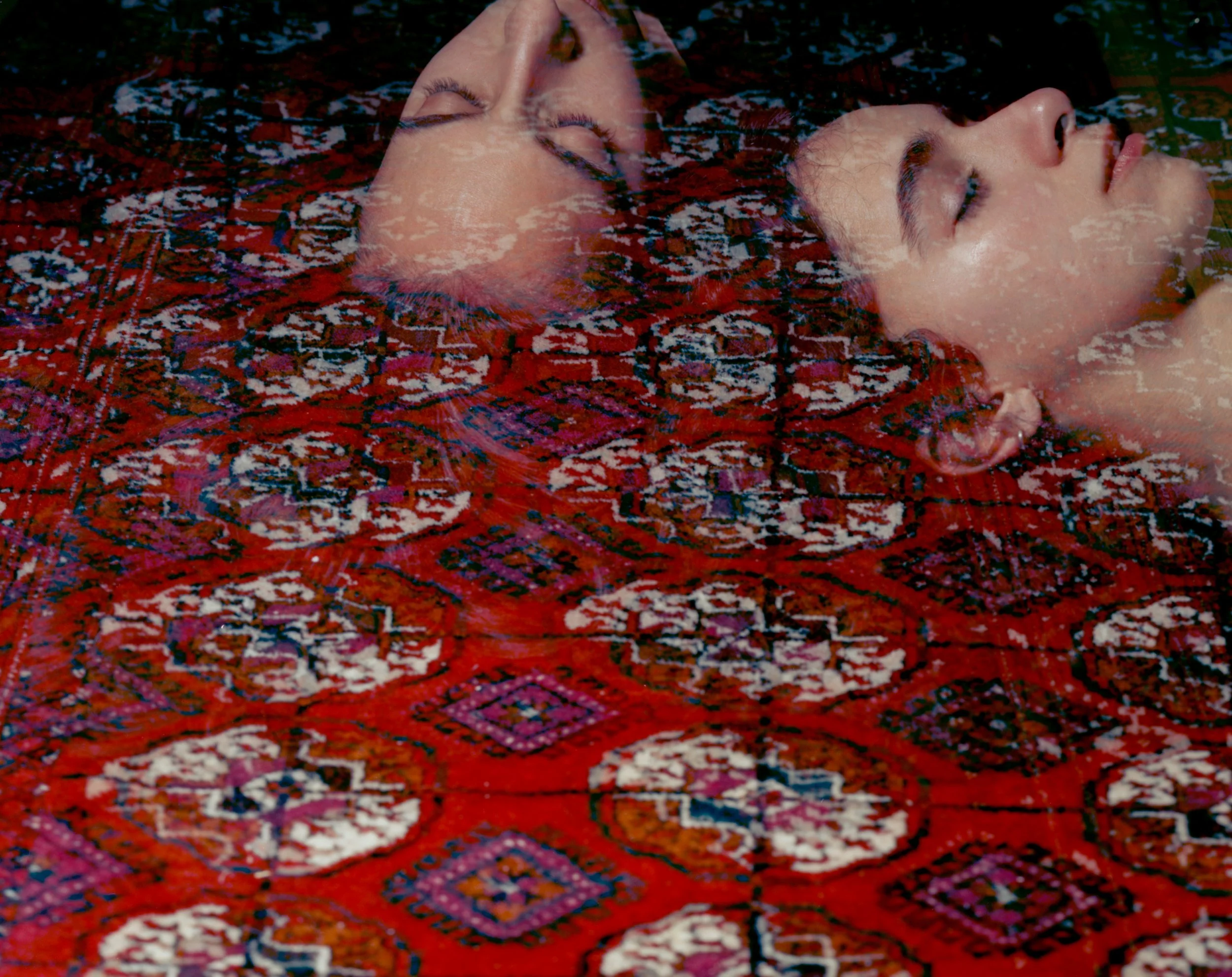
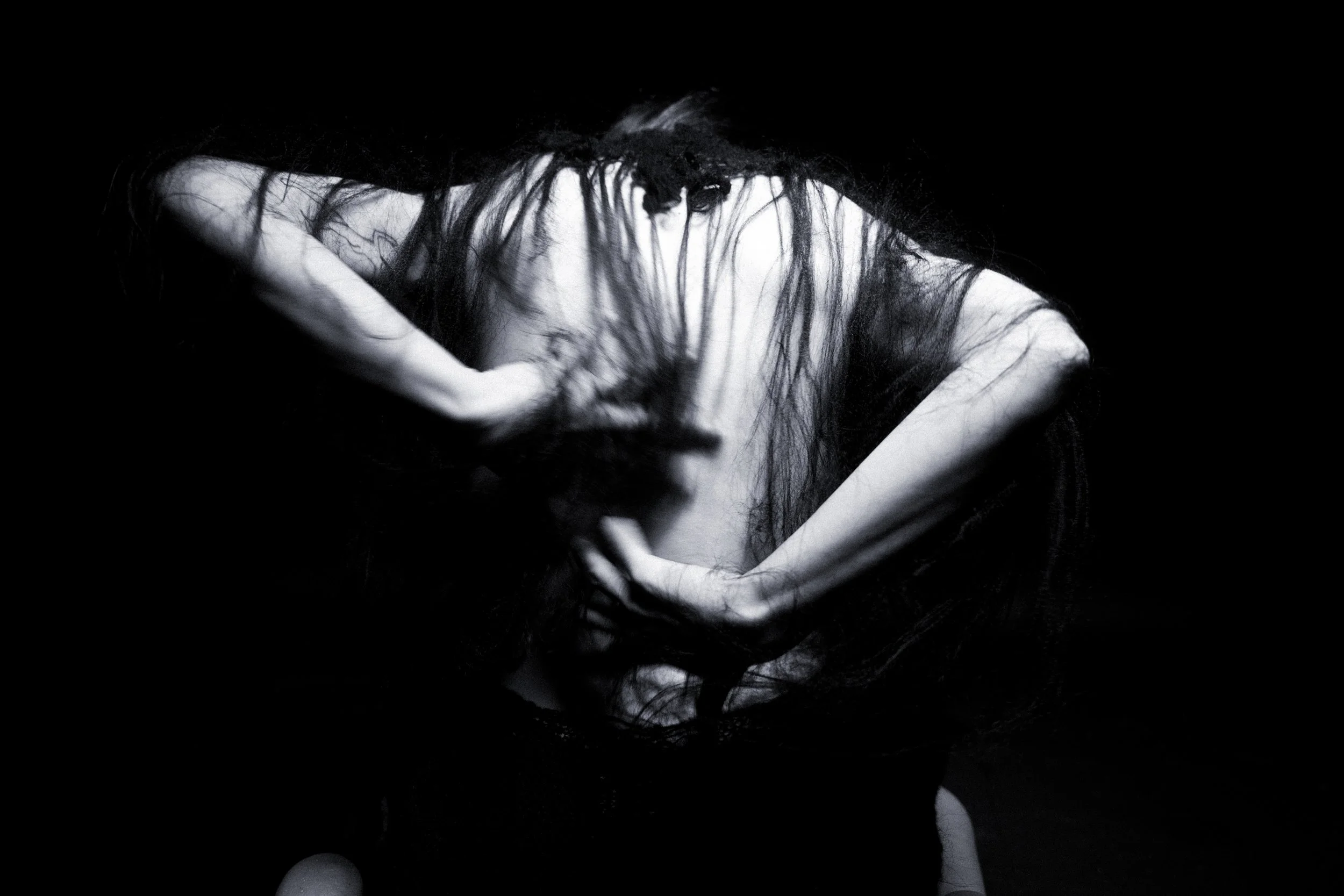
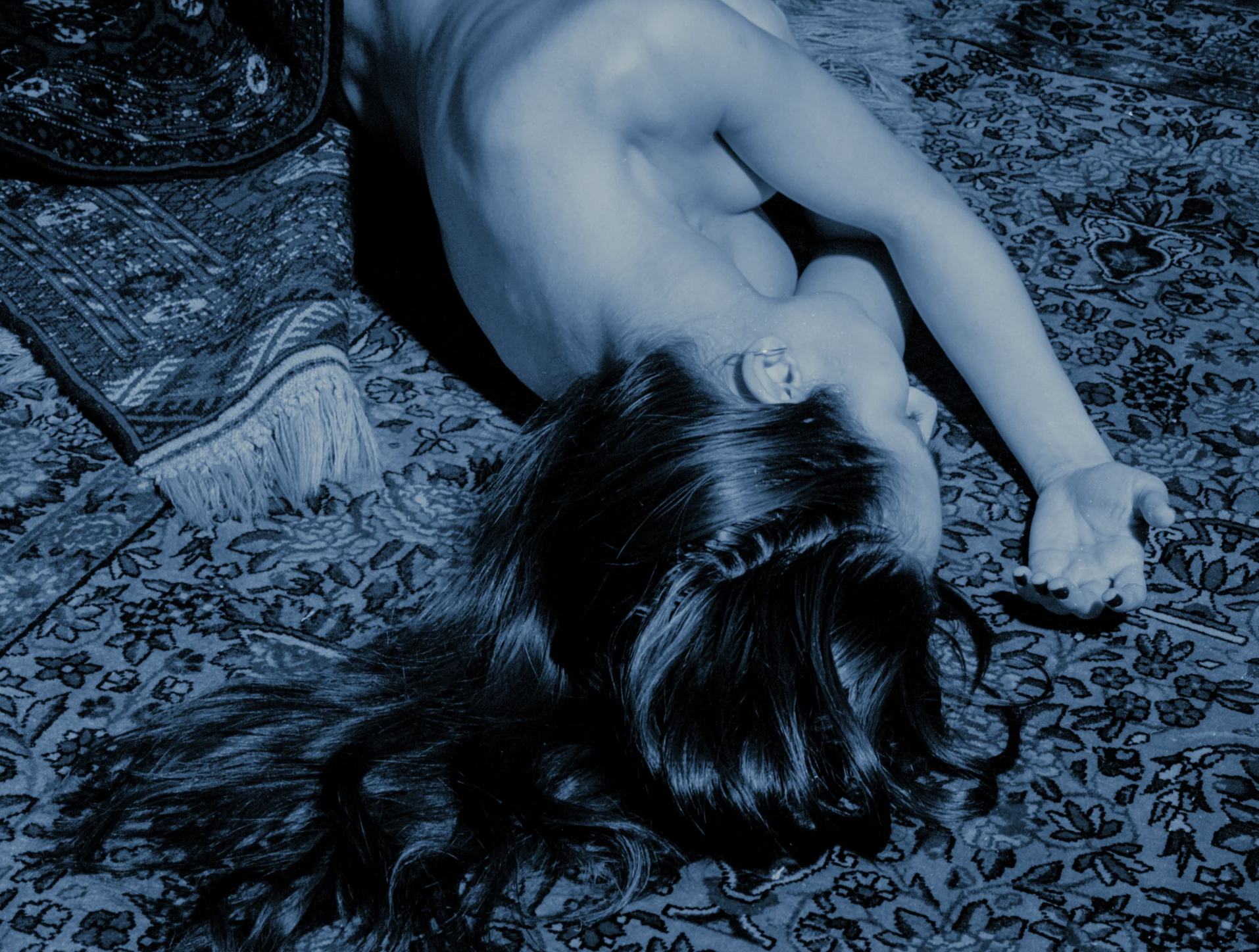
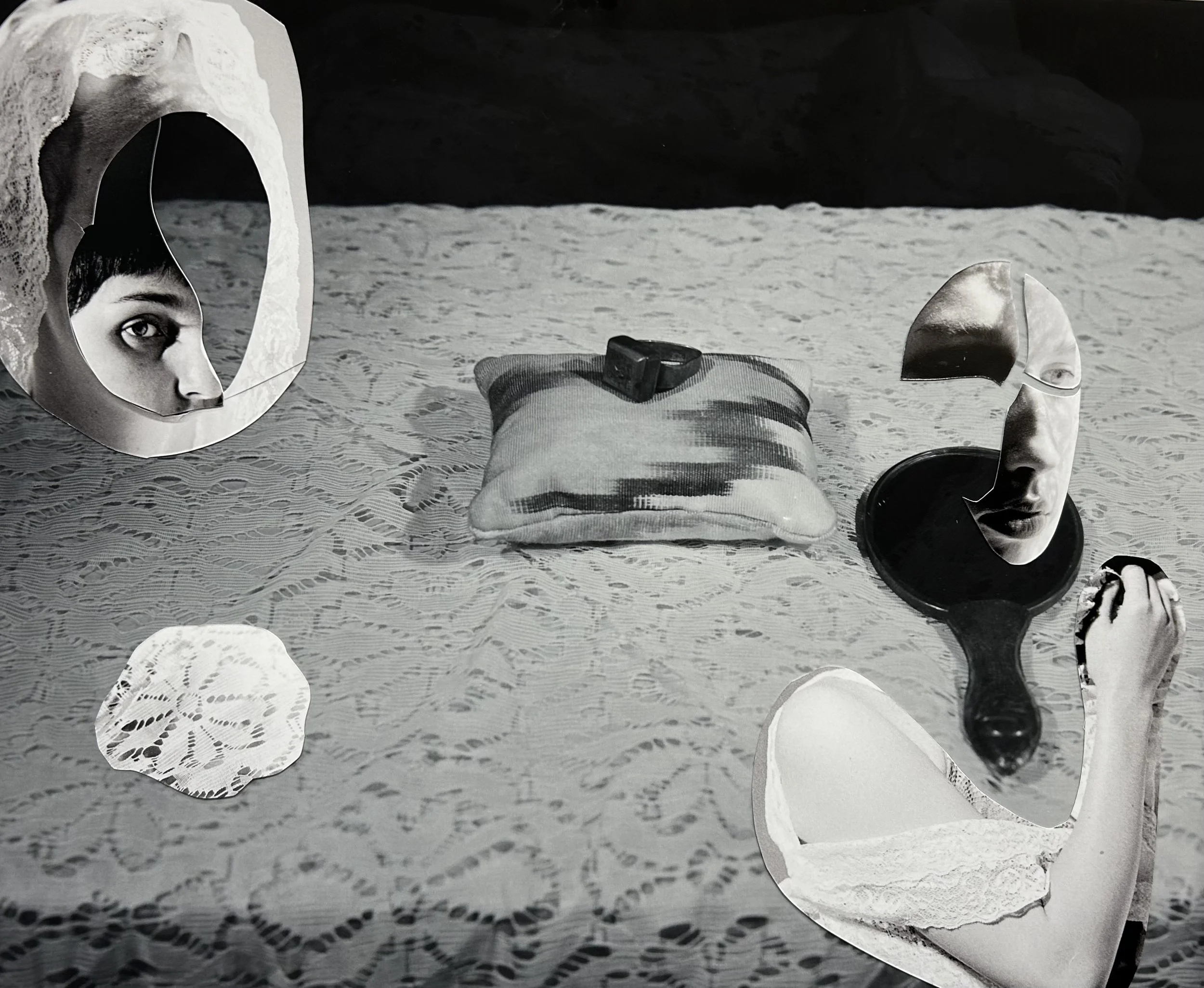
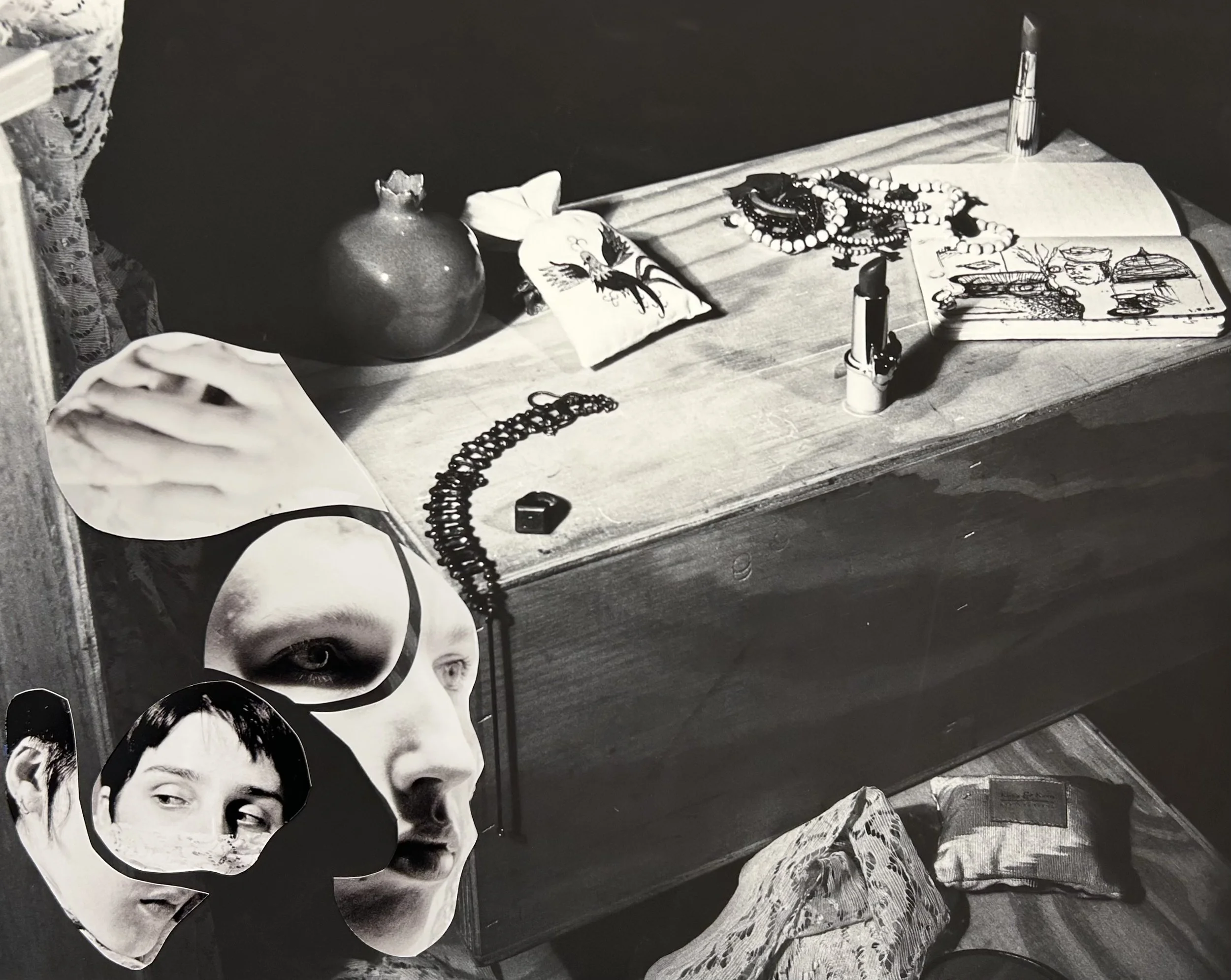
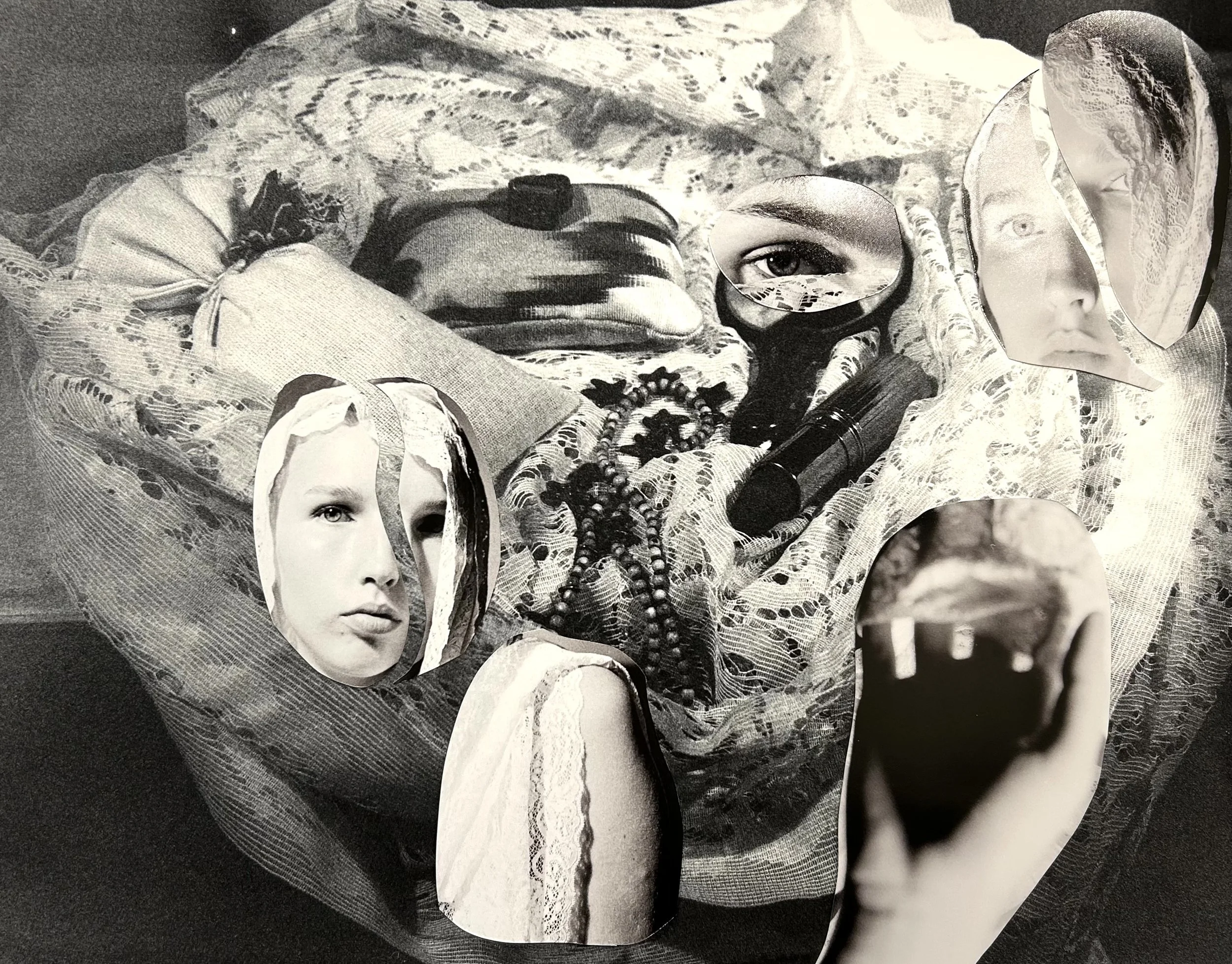
The idea of eternal return is the driving force of the hero’s journey in Middle Eastern folk tales and Sufi poetry. Such love comes with a heavy burden, a sacrifice. The hero is off to a self-discovery journey leaving the woman waiting behind, the act of waiting shapes her identity. Is her passiveness part of the divine will, is the sole getaway marriage or death, or is there an unseen spirit, continuing to search for roots. To reimagine women’s invisible, unspoken pain becomes the center of a new narrative, rather than men’s heroic journeys. The body of work simultaneously exists as an homage and a critique, a space to examine a trail made out of traces. Decoration and fiction become forms of escape, ornamental carpets made with meticulous labour constructing worlds full of longing and confinement.